
caliX: Next-Generation Chemometrics Workspace
Build, validate, transfer, and deploy calibration models from one unified workspace — without relying on weeks of manual chemometric iteration.

Build
Develop robust calibration models with automated preprocessing and model selection.
Validate
Identify outliers, prevent overfitting, and verify model performance.
Deploy
Transfer validated models directly to production instruments and automation systems.
From Spectral Data to Automated Production Control
caliX acts as the intelligence bridge, connecting raw laboratory scans directly to active factory automation.
Measure
Capture real-time spectral data from your process.
Understand
Convert spectral data into validated composition predictions.
Control
Send actionable results to PLC and SCADA systems for automated process adjustment.
Tailored Solutions for Key Processing Sectors
Every production process has unique requirements and challenges. We develop tailored solutions designed to integrate seamlessly into existing operations, ensuring minimal disruption and maximum efficiency. By combining advanced technologies with application-specific expertise, we deliver reliable data, actionable insights, and measurable value that help our customers optimize processes, improve product quality, and enhance operational performance.

Food & Feed
Optimize formulations, verify raw grains at receiving, and control moisture, protein, fat, ash, starch, and fiber in real-time under 60 seconds.
Explore Industry
Dairy
Maximize cheese yields, standardize cream, and monitor butter fat, total protein, lactose, and total solids dynamically in raw milk, concentrates, and powders.
Explore Industry
Chemical & Pharma
Monitor chemical syntheses, polymerizations, blend uniformity, and hydroxyl values directly in process lines.
Explore IndustryUSTECH Innovations is Here for Your Sustainable Production Processes!
With our precise measurements for solid and liquid products, we ensure the quality standards of your production processes at every stage. Leveraging our spectroscopy technology, we enhance your operational efficiency while contributing to your sustainability goals.
Our Solutions
Discover our range of industrial NIR spectrometers, analytical hardware, automation software, and chemometric calibration modeling workspaces.

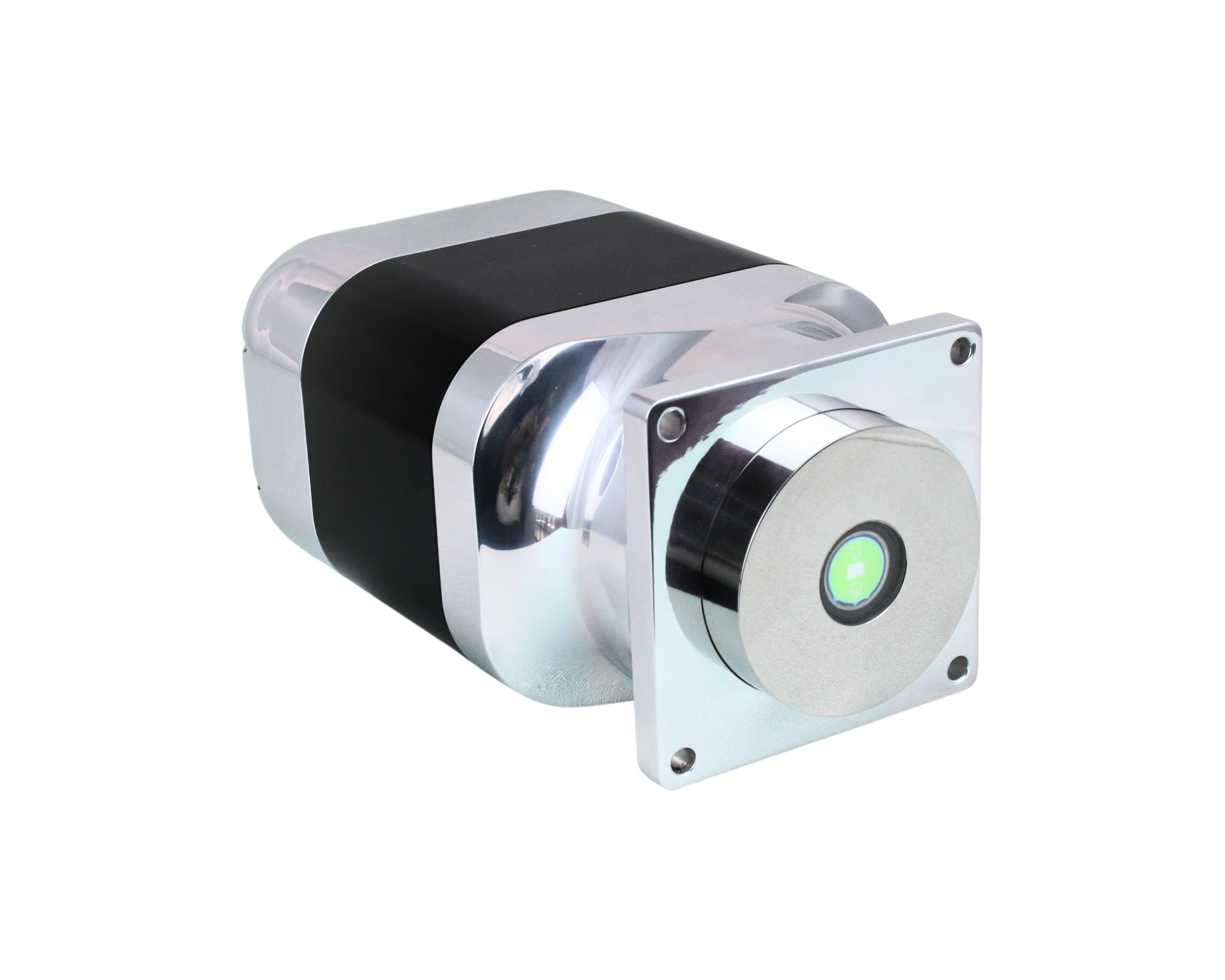
ProLine2550 FT-NIR
Sanitary weld-in probe installation for continuous inline composition control.
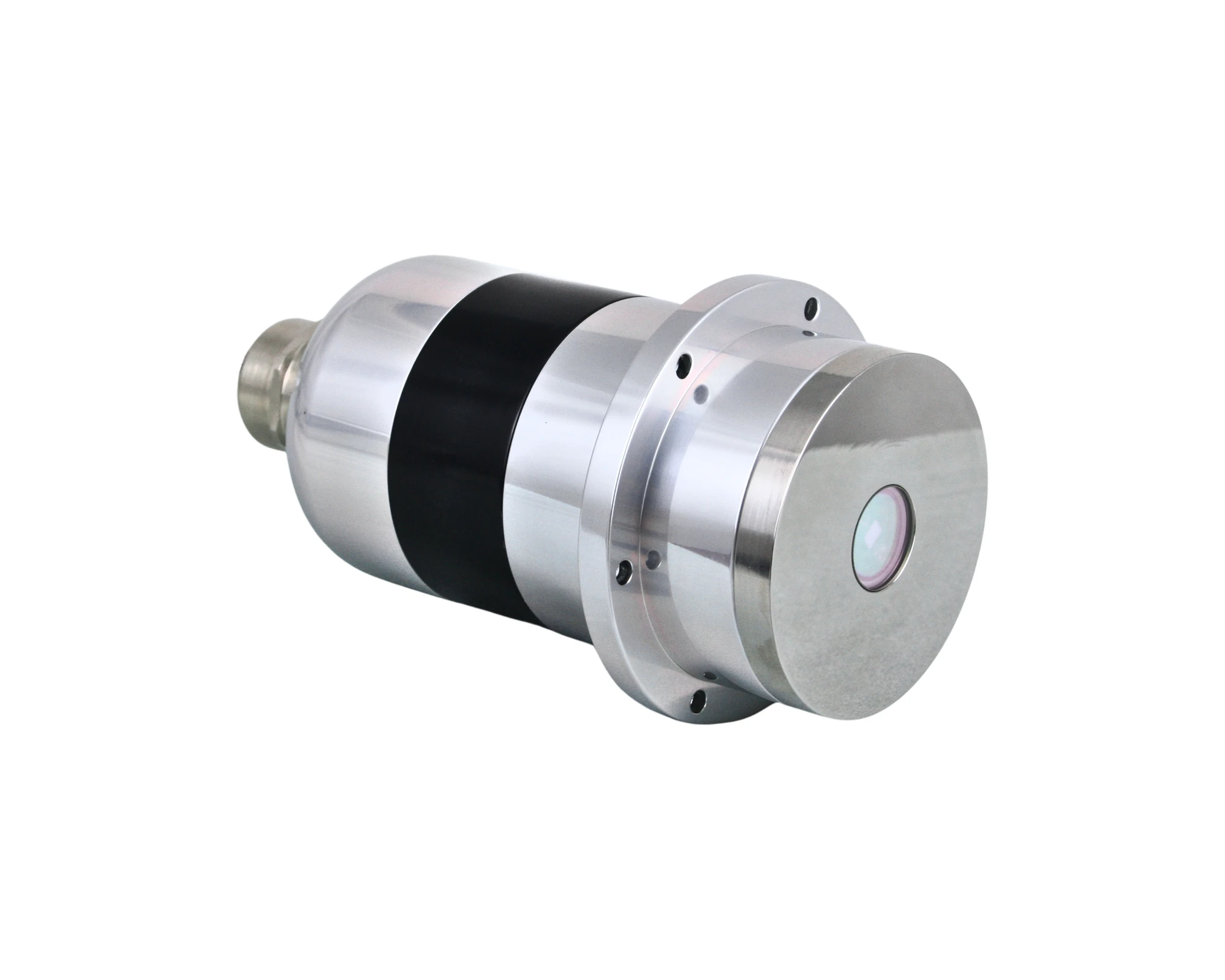
ProLine17EC
Continuous real-time quality control for pipes, chutes, and vessels without bypass.
ProLine17ECS
Split dual-chassis inline analyzer delivering 2,000 spectra/sample and 23,000:1 SNR.

USTECH MasterLine17EC
Fast nutritional profiling for grains, feed ingredients, and finished forage.
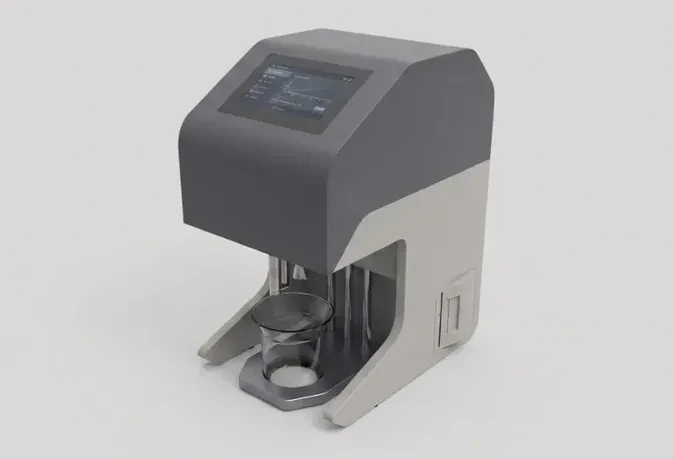
USTECH StarchQC
Rapid amperometric starch damage analyzer with built-in printer and color touchscreen.

USTECH Tornado+
Liquid water-cooled sample mill protecting fat and moisture integrity.


We measure. We interpret. We control.
Collect continuous flow data from production lines, pipelines, and mixers. Our ProLine17EC and ProLine2550 inline spectrometers continuously scan materials inside reactors or pipelines.
By obtaining real-time composition trends for moisture, fat, protein, and chemical content, facilities can automatically adjust valves, dosing pumps, and blenders to ensure every batch meets specs with zero product waste.

Calculate Your Annual Savings
Proven Financial Return on Investment
By reducing over-formulation safety margins and preventing product rejections, plants routinely recoup their total equipment investment within the first few months. Adjust the parameters on the left to see your estimated financial return.
Estimated Annual Savings
Payback Period
Quality Yield Increase
Latest from USTECH Blog

Standardizing Moisture in Milk Powder Spray Drying
Why the outlet moisture of a milk-powder spray dryer decides stickiness, caking, shelf life and yield, which variables the operator can move, and how an inline NIR moisture value feeds the control loop.

Blend Uniformity Verification in Active Pharmas
Why blend uniformity is a regulated in-process attribute, what thief sampling can and cannot tell you, and what the literature shows about in-line NIR monitoring of powder blending as a PAT tool.
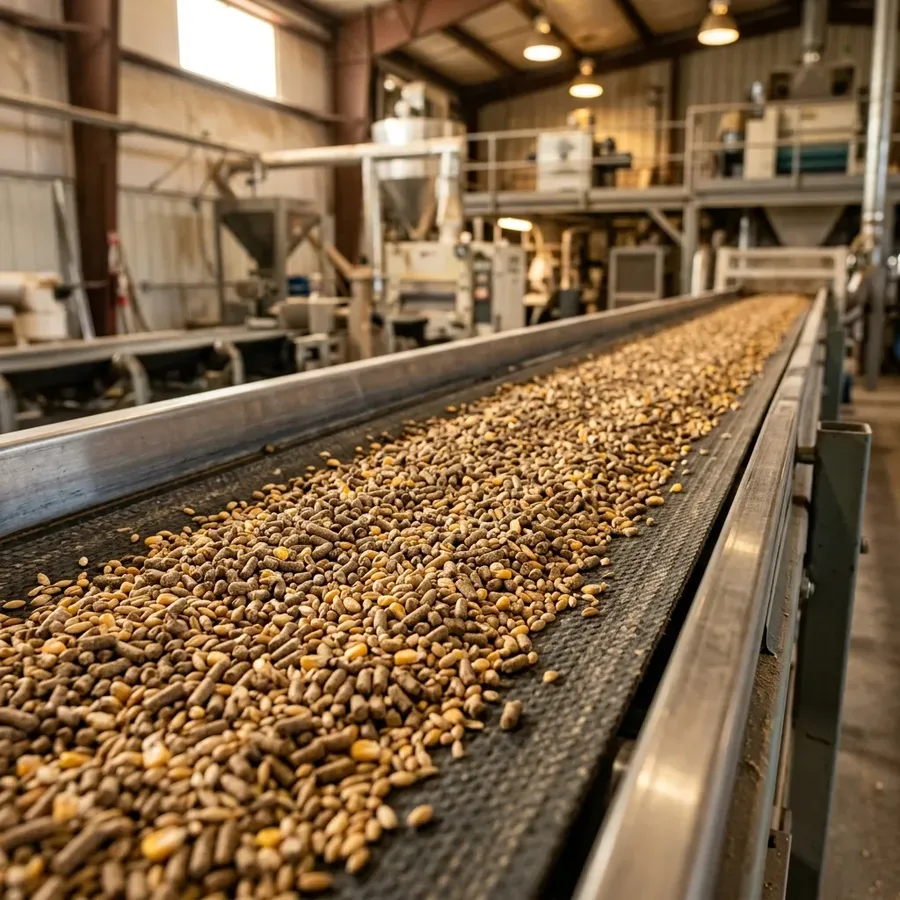
Reducing Ingredient Waste in Cattle Feed
Why cattle feed is over-formulated against ingredient variability, what the literature says about where that variability comes from, and how NIR at intake and at the mixer narrows the margin.
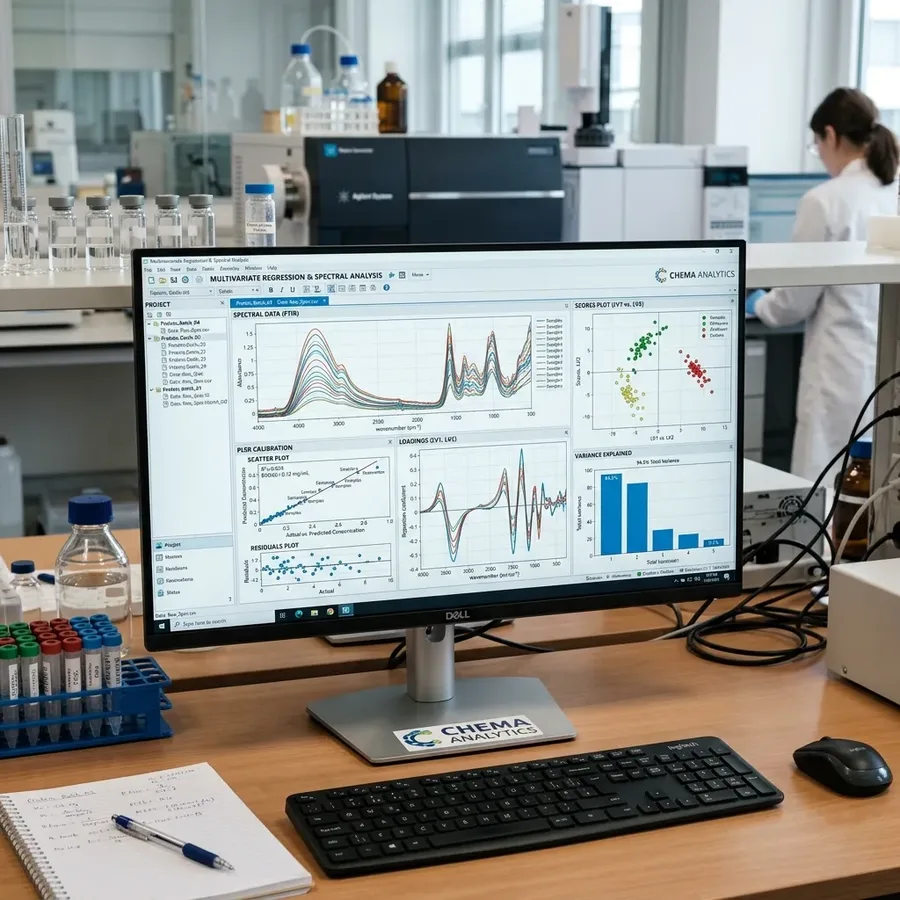
Introduction to PLS Regression in caliX Suite
A practitioner's walk through a PLS calibration: how the data are split, how the pre-processing and the number of latent variables are chosen by validation, which diagnostics to read, and how the model is kept alive in production.

Closing the Dosing Loop on Analyzer Results with OPC UA
What an analyzer result needs to carry over OPC UA before a PLC may act on it, how dead time and sampling interval shape the PID loop, and where the safety interlocks must sit, with the standards behind each point.
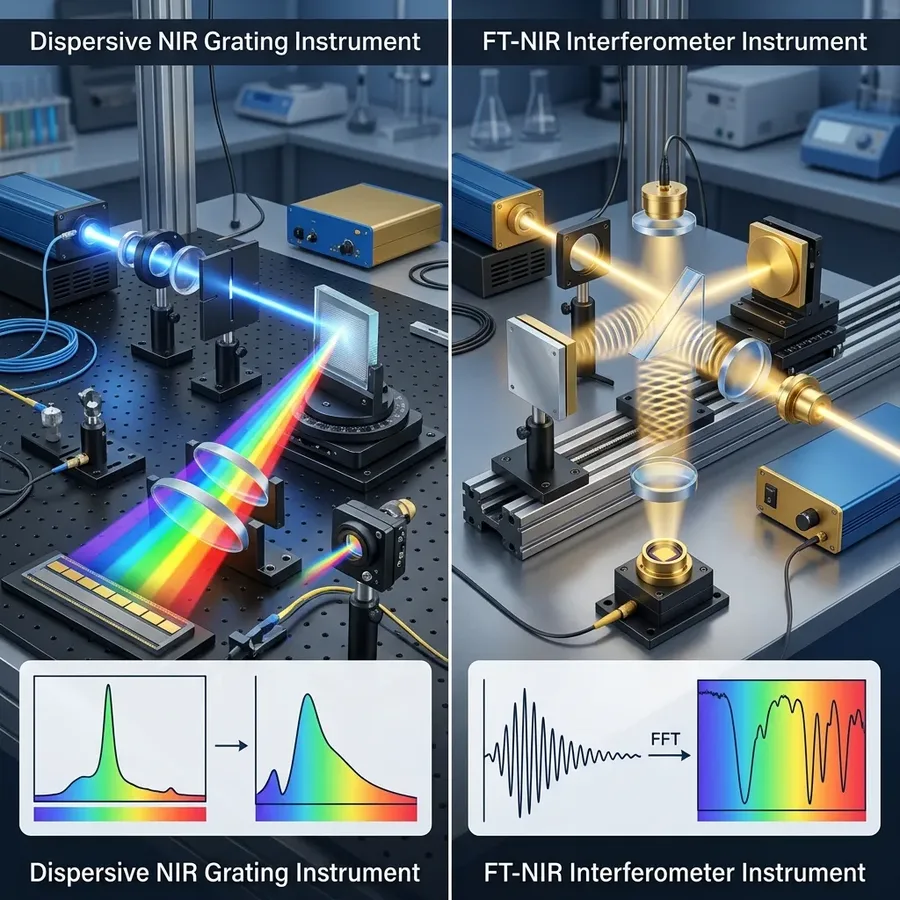
Calibration Transfer Between NIR Spectrometers: Methods and Feasibility
Why a NIR calibration built on one spectrometer rarely runs unchanged on another, which standardisation and model-adjustment methods the literature describes, and how transfer feasibility is assessed for an instrument family.

Understanding Savitzky-Golay Preprocessing
What the Savitzky-Golay filter actually does to a spectrum, why derivatives remove baselines, and how window length and polynomial order should be chosen, with the original and follow-up literature.

Optimizing Starch Extraction in Wet Milling
Where starch is lost in a corn wet mill, how separation performance is measured, and what published work says spectroscopy can and cannot monitor in slurry streams.